
Patagonia
Patagonia is a journey where logistics can matter more than the wish list. Flights, borders, wind, road conditions and the right bases are just as important as the scenery.
At a glance
The essentials in under two minutes.
When to go
Patagonia has no single season: wind, snow, daylight and operating schedules change the trip substantially.
Main season
Longer days and the broadest operation of routes and services, with high demand and wind.
Austral spring
Fewer visitors and very changeable weather; some services may not be fully open.
Fall
Strong colours, fewer visitors and shorter days, with progressive closures.
Winter
A completely different trip with much less operation in several areas; not my default first Patagonia.
Even in peak season I would always keep a plan B: wind and weather can reshape an entire day.
How to get around
The route should be built around flights, borders and bases — not the other way around.
FLIGHTS
Domestic frequencies can define the order of the trip. Check flights before locking hotels.
BORDERS
Chile–Argentina crossings add time and rules. Avoid tight flights after a land border.
CAR
Very useful in some bases, but not automatically for the whole trip. Compare rental, buses and transfers by stage.
BUFFER
Weather can alter activities. Avoid a route where every day has one critical connection.
Where I would stay
The stay changes the experience; I would choose it around how you want to experience the destination, not category alone.
Hostería or simple lodge
SMARTA good bed, early breakfast and useful location for exploration.
Boutique lodge
CONFORTMore space, views and service without putting the whole budget into accommodation.
Experience lodge
LUXURYGuides, excursions, food and landscape integrated into the stay.
Remote luxury lodge
SIGNATUREFor special trips with highly personalized service and much of the logistics handled.
Three strong bases beat six airports.
Patagonia rewards travellers who accept they cannot see everything. I would choose fewer bases, stay several nights in each and leave enough margin for weather to change the plan without ruining the trip.
Core route · 12 days
A first Chile + Argentina combination focused on Torres del Paine, El Calafate and El Chaltén, without adding Ushuaia unless you have more time.
Arrival in Patagonia
Puerto Natales / connection by flightsConnection from Santiago or your gateway city.
Transfer to Puerto Natales or lodge.
Rest and weather check.
Puerto Natales → Torres del Paine
Change of baseLeave with buffer.
Check-in and first short viewpoint / walk.
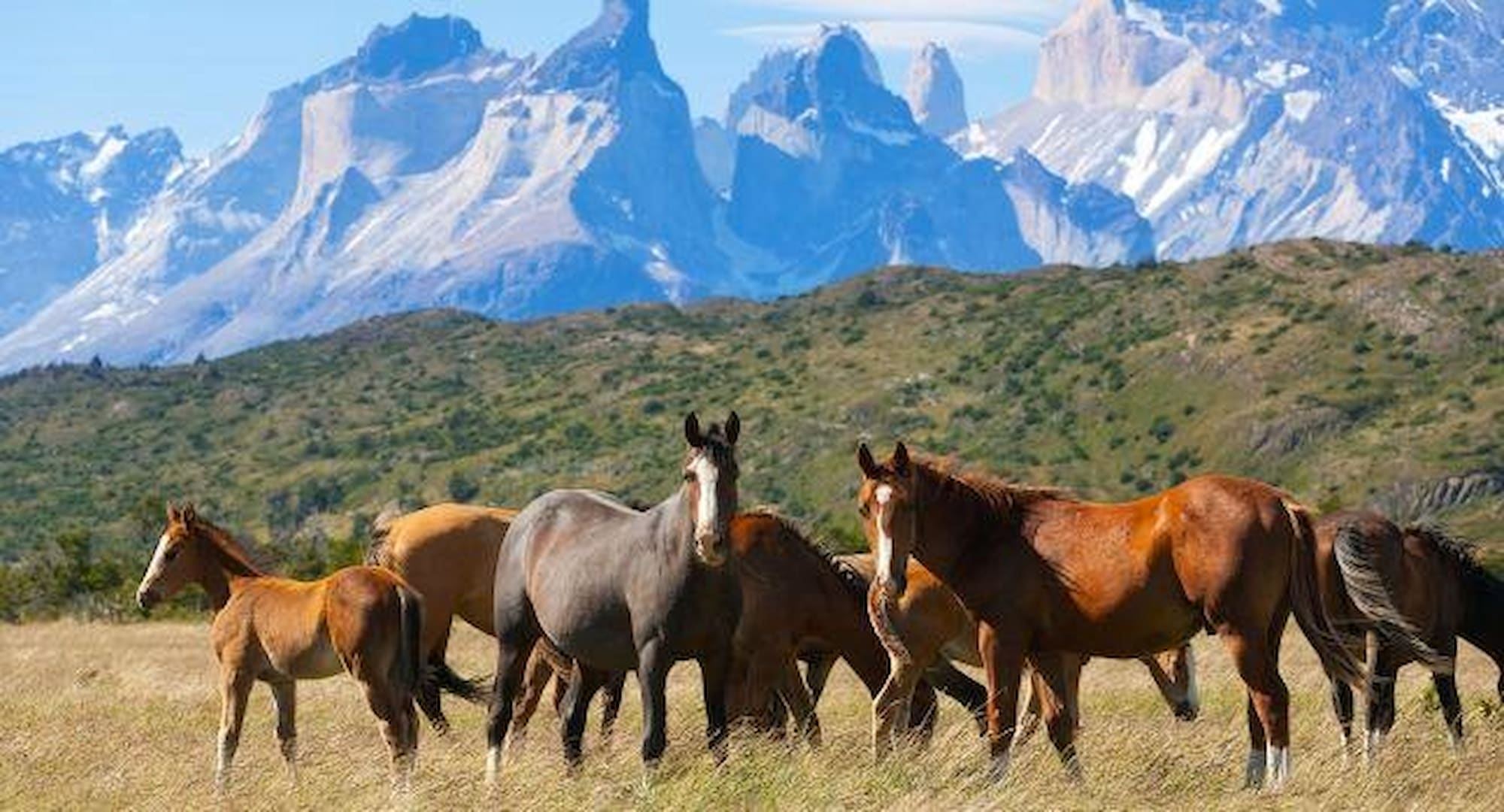
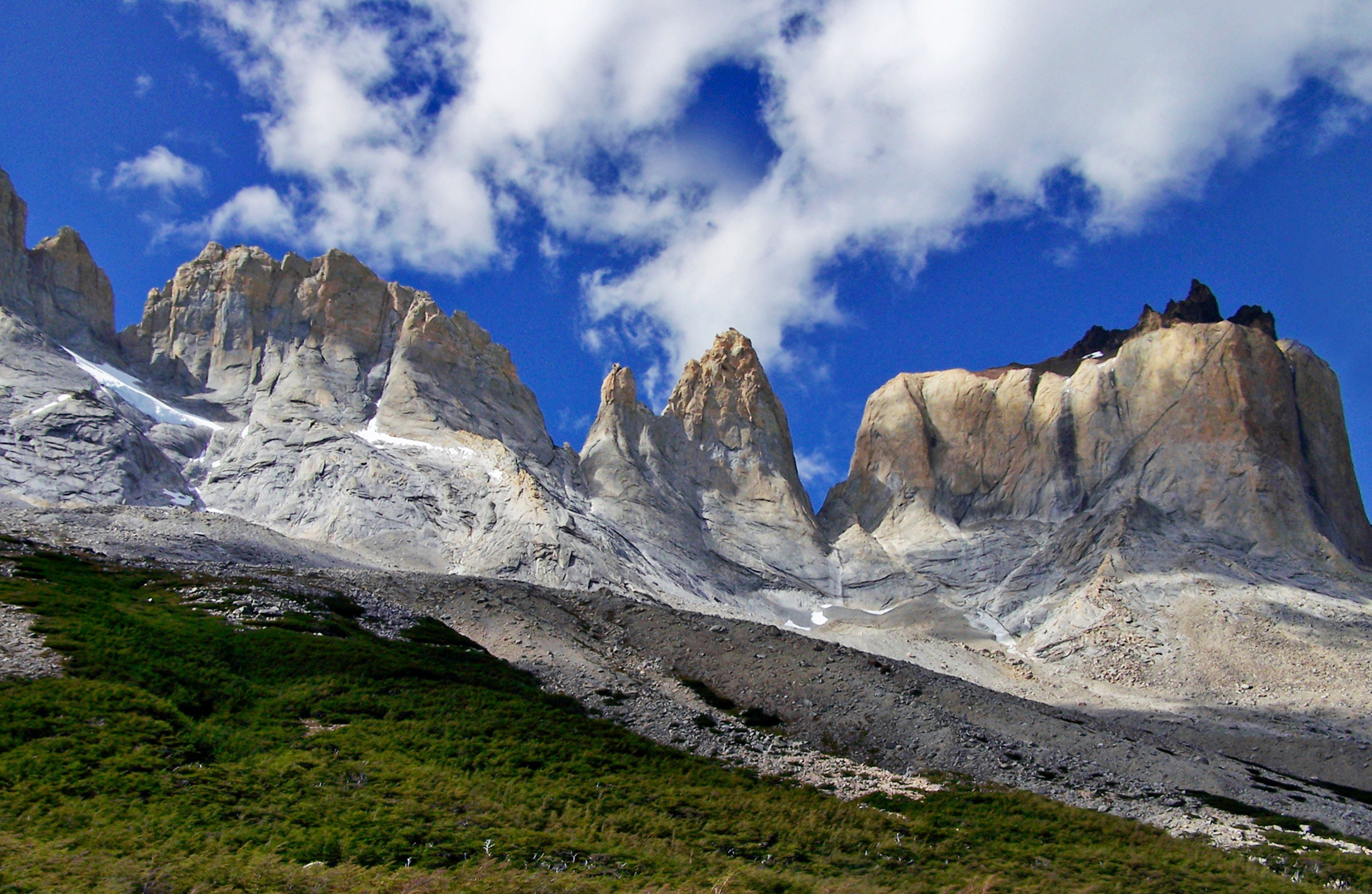
Torres del Paine
Landscape dayScenic excursion or main hike according to level and weather.
Return to the lodge with buffer.
Torres del Paine
Flexible second daySecond priority experience.
Rest or short activity; keep one flexible window for weather.
Torres → El Calafate
Chile–Argentina crossingEarly departure.
Formalities and buffer.
Arrive in El Calafate and check-in.
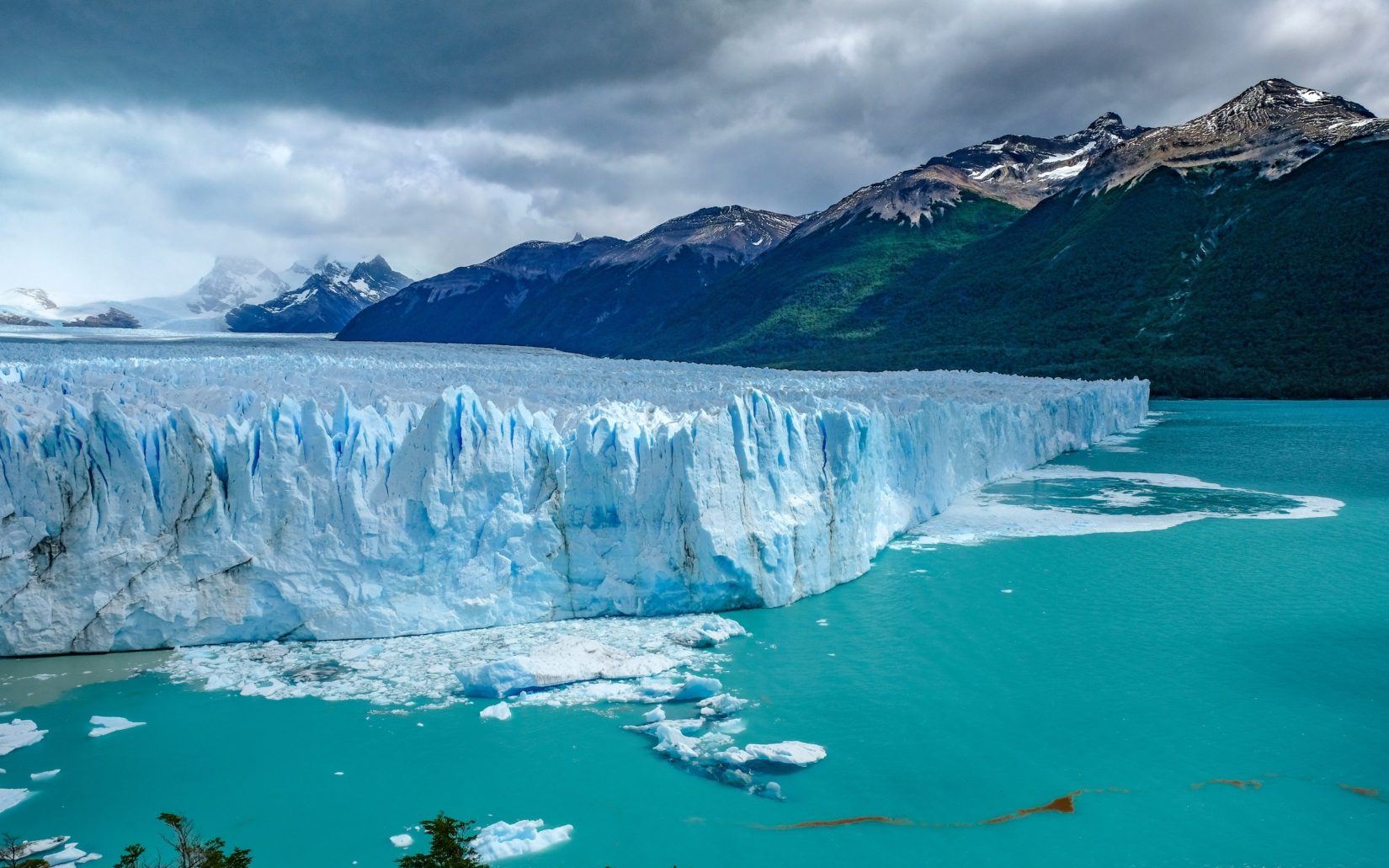
Perito Moreno
GlacierLeave for the park.
Walkways / navigation according to booking.
Return without adding another major excursion.
El Calafate → El Chaltén
≈3 h by roadTransfer.
Check-in and a short walk to understand trails and conditions.
El Chaltén
Main hikeStart according to route and forecast.
Main trail adapted to level and conditions.
El Chaltén
Second mountain daySecond hike or scenic alternative.
Flexible time if weather changed the previous day.
El Chaltén → El Calafate
ReturnFinal short walk.
Transfer and night near town / airport.
Buffer / extra experience
Weather protectionAdditional El Calafate activity.
Use as recovery day if weather changed an earlier stage.
Departure
Domestic flight + connectionAirport with buffer.
Avoid an overly tight international connection after a Patagonian flight.
What you need to know before booking
Flights, borders, climate and luggage matter as much as the places you want to see.
WEATHER
Build in margin: wind and fast-changing weather can affect plans.
FLIGHTS
Domestic connections and operating days can determine the entire order of the route.
BORDERS
If crossing Chile and Argentina, review documents, baggage and vehicle conditions in advance.
DOCUMENTS
Entry rules, permits and insurance depend on nationality and route. Check official sources for both countries.
BUFFER
I would not place a critical international connection immediately after a land border or a Patagonian flight.
What to book and when
6–9 MONTHS BEFORE
Flights, Torres del Paine lodges and core dates for main season.
3–6 MONTHS BEFORE
Border transfers, priority excursions and El Chaltén accommodation.
2–4 WEEKS BEFORE
Recheck connections, luggage, permits and stage conditions.
EACH DAY
Wind forecast, trail status and plan B — flexibility is part of the route.
24–48 H BEFORE
Check wind, trail status, transfers and every land or air connection.
Questions to help shape the journey
Chilean Patagonia, Argentine Patagonia or both?
With limited time, I would choose one area and the landscapes that most appeal to you. Combining countries can work, but transfers and border crossings need to be counted. Places close together on a map do not necessarily make a simple journey.
Is this only a trip for serious hikers?
Not necessarily. The route can focus on viewpoints, excursions and stays with access to the landscape, matching each activity to your ability. I would not copy a trekking itinerary for someone seeking nature at a gentler pace.
How would you allow for changing weather?
I would avoid making the one essential experience depend on a single slot on the final day. Enough nights in each base and gentler alternatives make the route more flexible. Buffer time is part of the design, not wasted time.
Check the latest official information
Parks, borders and weather change; use official sources for the exact travel dates.
Planning guide reviewed in October 2026. Flights, borders, parks, trails and weather can change; verify official sources for your dates.
Want me to turn this information into your trip?
I can adapt the route to your flights, nights, hotel level, pace and budget so you do not have to fit all the pieces together yourself.
PLAN YOUR JOURNEY